← Back to The Practical Retiree Lab
AI after retirement hub
AI After Retirement: Practical Tools for Retired Professionals
A focused starting point for retirees who want to use ChatGPT and other AI tools without giving up judgment. Use AI for writing, research, spreadsheets, websites, reader questions, scam checks, and practical projects — while staying alert to errors, privacy, and hype.
Core idea: AI is most useful when treated as a capable assistant, not an authority. The retired professional still supplies the judgment.
Start here
The AI-after-retirement reading path
These pages are arranged so a new visitor can begin with the broad practical guide, try one of the prompt tools, then open the book or download the free project guide.
How Retired Professionals Can Use ChatGPT Without Getting Fooled
A practical guide to using ChatGPT for writing, research, spreadsheets, organization, and everyday questions while checking claims before relying on them.
Read the guide ->7 Practical AI Projects for Retirees
A short downloadable guide with concrete AI projects: checking messages, improving writing, outlining a project, working with spreadsheets, and asking better questions.
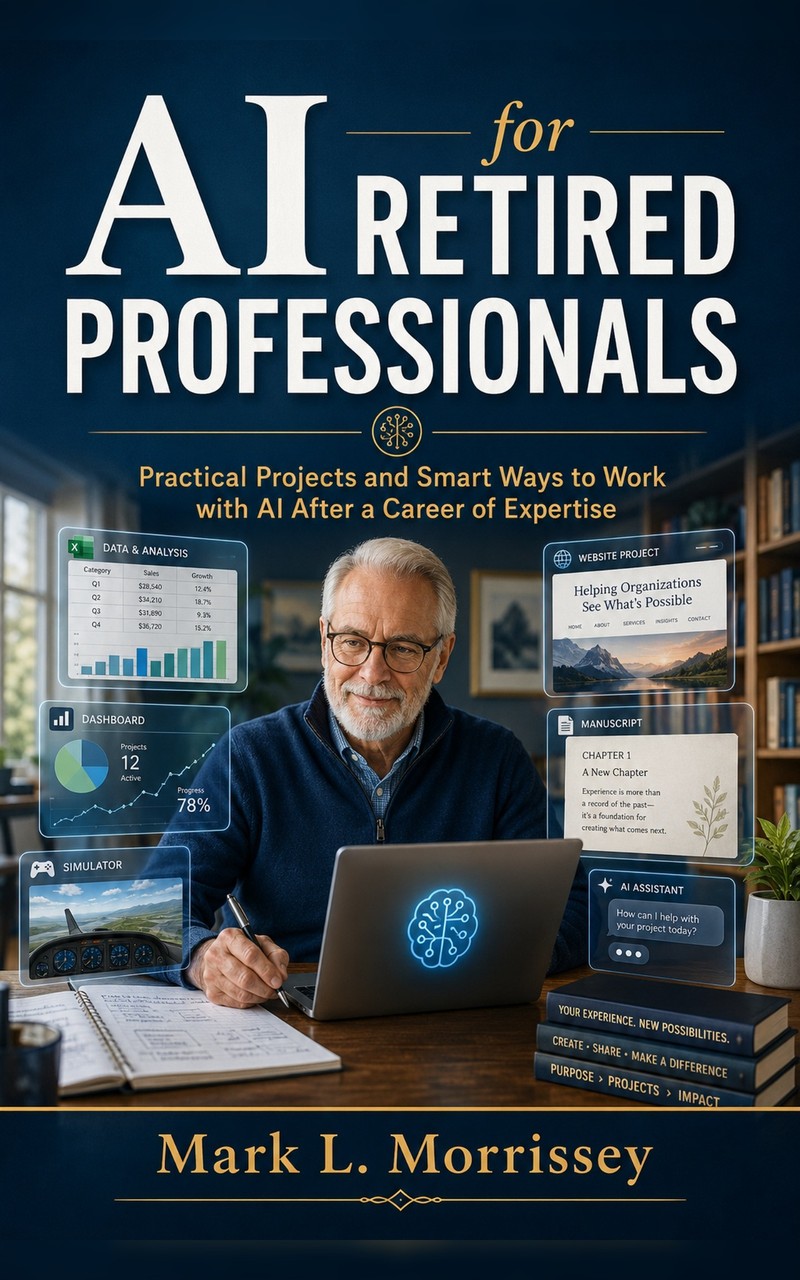
Download the PDF ->AI for Retired Professionals
The main book for readers who want a fuller practical framework for using AI after a career of expertise.
Open the book page ->Buy on Amazon ->Free prompt tools
Check before you click, buy, or believe
These tools do not run ChatGPT on this website. They give visitors structured prompts to copy into their own free or paid ChatGPT account. Practical Retiree Lab does not receive, store, or see what they paste into ChatGPT.
How to Tell if a Kindle Book Is AI Slop
Use this guide and prompt before buying a Kindle book, online course, or self-published guide. It looks for low-effort filler, fake expertise, repetition, and missing substance.
Open the book-slop checker ->Is This Spam or a Scam?
Use a cautious AI prompt to examine emails, texts, and messages for pressure tactics, suspicious links, fake urgency, and requests for money or personal information.
Open the scam checker ->Is This Too Good to Be True?
Use a structured prompt to slow down before trusting miracle claims, investment pitches, health promises, sweepstakes, or unusually generous offers.
Open the claim checker ->What AI is useful for
Practical uses that fit retired professionals
Writing and publishing
Drafting, revising, outlining, simplifying, writing reader replies, summarizing books, improving web pages, and checking tone before posting.
Research and learning
Turning a question into a plan, comparing explanations, creating reading lists, summarizing complex material, and generating questions to ask a human expert.
Spreadsheets and projects
Planning Excel layouts, debugging formulas, creating checklists, organizing files, improving prompts, and documenting a project step by step.
Skeptical judgment
AI can help notice warning signs, but it should not be the final judge for medical, legal, tax, or financial decisions. It is a second reader, not a fiduciary.
Book in this AI track
AI for Retired Professionals
Use AI without being talked down to
This book is written for retired professionals who still have judgment, curiosity, and projects. It treats AI as a practical assistant for capable people, not as magic and not as a replacement for expertise.
Stay in touch
Practical Retiree Lab Notes
For occasional short notes on AI, retirement income, scams, science, and evidence-based thinking for retired professionals, use the newsletter signup on the homepage.
Join the notes list