← Back to The Practical Retiree Lab
Scams, slop, and hype hub
Practical AI prompts before you click or buy
Use these free prompt tools to slow down before trusting a suspicious message, buying a weak Kindle book, signing up for a questionable course, or believing a claim that sounds too good to be true. The goal is not paranoia. The goal is a careful second look.
How these tools work
You copy a structured prompt, open your own free or paid ChatGPT account, paste the prompt, then add the material you want checked.
- Practical Retiree Lab does not receive or store what you paste into ChatGPT.
- Do not paste passwords, account numbers, Social Security numbers, or private medical records.
- For high-stakes issues, use official sources and qualified professionals.
Choose what you want to check
Four practical prompt tools
Each page gives a plain-English guide, a copyable prompt or planner, an Open ChatGPT button where useful, and a reminder about privacy and limits.
How to Tell if a Kindle Book Is AI Slop
Before buying a Kindle book, online course, or self-published guide, check the description, sample pages, author bio, reviews, and table of contents for low-effort filler.
Open the book-slop checker ->Is This Spam or a Scam?
Paste a suspicious message into ChatGPT with a cautious prompt that looks for fake urgency, spoofed senders, unsafe links, and requests for money or credentials.
Open the spam/scam checker ->Password Safety Planner
Compare password managers, current app considerations, blank Word inventory templates, recovery access, spouse or executor instructions, and multi-factor authentication without entering actual passwords or recovery codes.
Open the password planner ->Is This Too Good to Be True?
Use this before trusting miracle products, investment promises, medical claims, subscriptions, sweepstakes, and online offers that sound unusually persuasive.
Open the claim checker ->When to be extra careful
Use AI as a second reader, not the final authority
Useful for first-pass screening
AI can help identify patterns: vague language, inconsistent claims, pressure tactics, missing evidence, suspicious formatting, exaggerated outcomes, and reviews that say little about the actual product.
Not a replacement for trusted sources
If the issue involves money, banking, taxes, legal rights, medical decisions, account security, or family safety, verify through official channels and qualified people.
Related book
AI for Retired Professionals
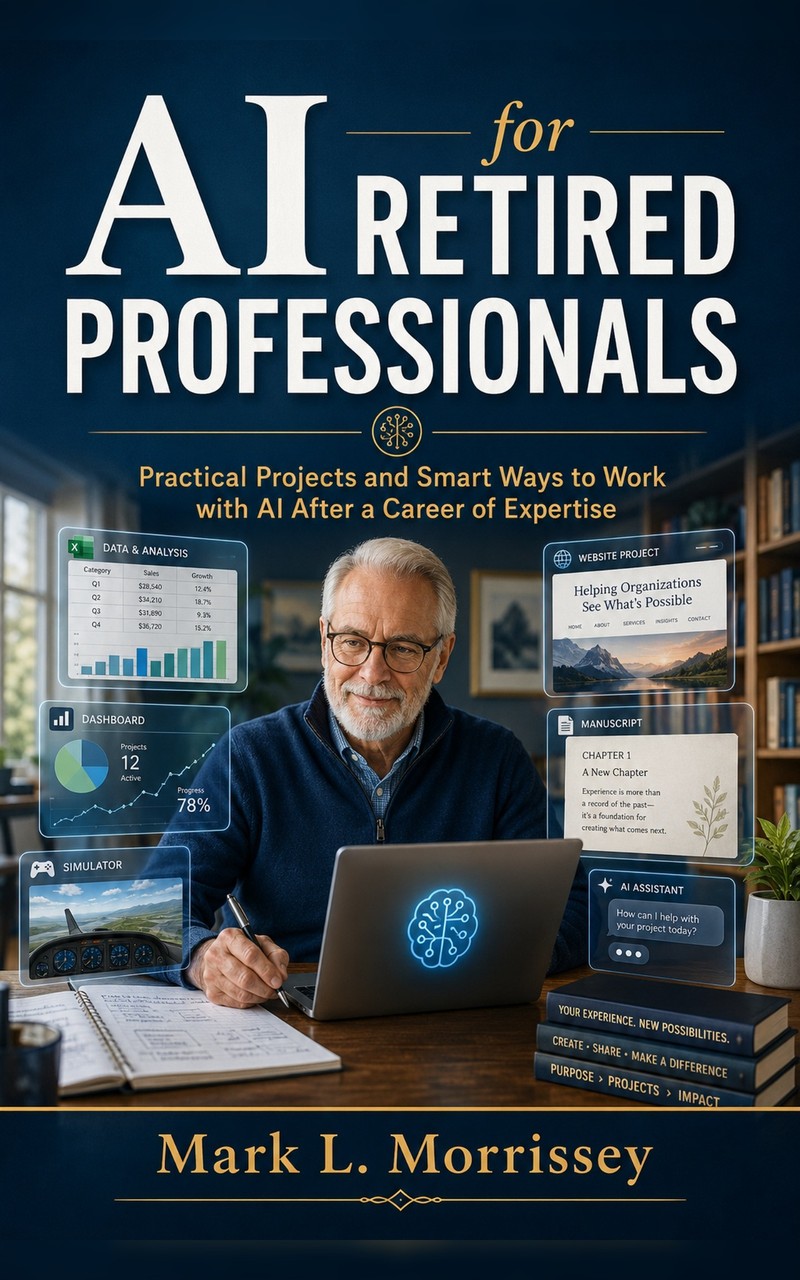
Use AI without being talked down to
The prompt tools on this page are part of the broader idea behind AI for Retired Professionals: AI is useful when it supports capable human judgment rather than replacing it.
Stay in touch
Practical Retiree Lab Notes
For occasional short notes on AI, retirement income, scams, science, and evidence-based thinking for retired professionals, use the newsletter signup on the homepage.
Join the notes list